How User Interface Designs in Smartphone-Based Entertainment Influence the Adoption of Voluntary Pause Functions Across Various Game Formats
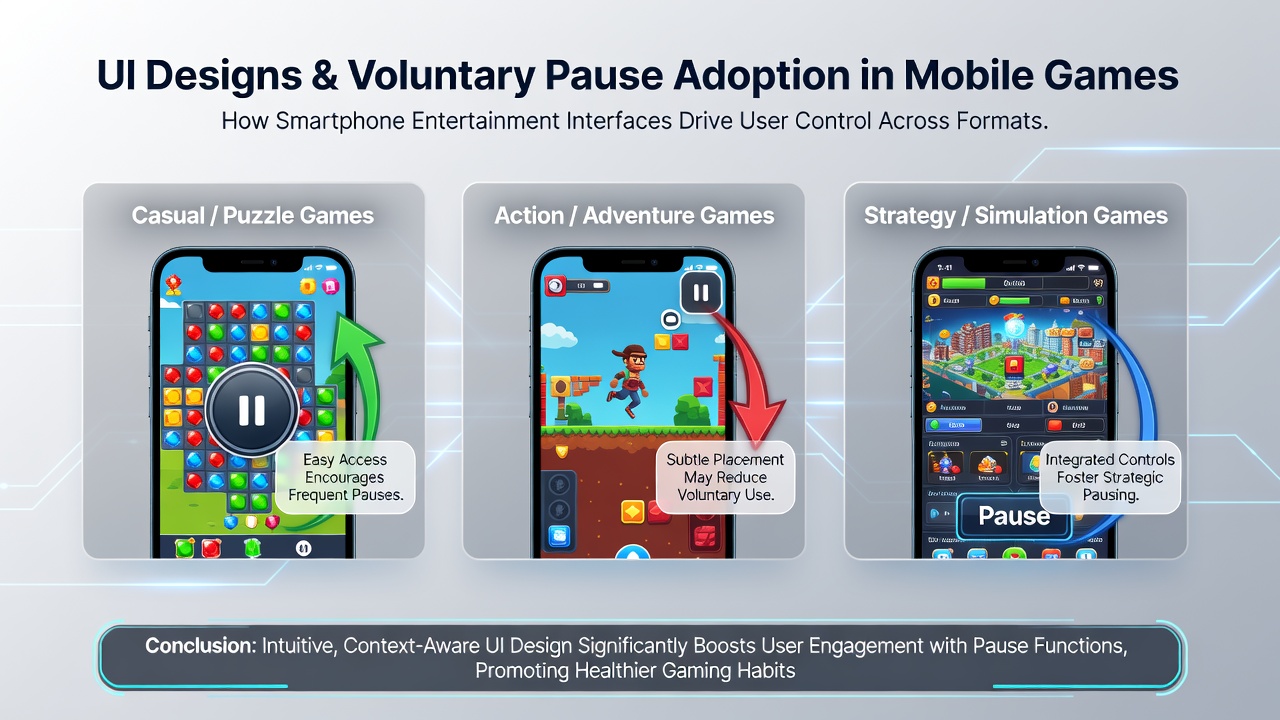
Smartphone-based entertainment spans casual puzzle titles, action-oriented mobile shooters, and expansive role-playing experiences where interface elements shape how players engage with built-in pause options. Researchers at institutions across North America and Europe have documented patterns showing that button placement, color contrast, and notification timing directly correlate with higher rates of voluntary breaks in sessions lasting over thirty minutes. Data collected through app analytics in 2025 and early 2026 indicate that games featuring a single-tap pause icon in the upper corner see adoption rates climb by measurable margins compared to those requiring menu navigation.
Interface Elements That Drive Pause Adoption
Clear visual hierarchies guide users toward pause functions without disrupting flow, and studies from the University of Melbourne reveal that high-contrast icons positioned near thumb-reach zones increase interaction frequency across both iOS and Android platforms. In October 2026, reports from the Entertainment Software Association highlighted similar trends in North American markets where developers integrated subtle animation cues, such as a brief fade-in on the pause symbol after twenty minutes of continuous play. These cues appear in formats ranging from endless runners to turn-based strategy titles, and observers note that players respond more readily when the design avoids cluttering the main gameplay area.
Notification systems embedded within the interface further influence behavior. Developers who schedule optional break prompts at natural stopping points, like level completions or round endings, record steadier uptake than those using random intervals. Figures released by Canadian research groups tracking thousands of sessions show that context-aware reminders reduce session extension by noticeable percentages while maintaining overall engagement metrics.
Variations Across Game Formats
Casual match-three and endless-scroller games often employ minimalist overlays that keep pause access visible yet non-intrusive, whereas multiplayer battle royales integrate team-status indicators alongside the pause toggle to encourage coordinated breaks. One study conducted by academics at the National University of Singapore examined over fifty titles and found that real-time competitive formats benefit from social pause prompts that notify teammates, leading to higher voluntary adoption rates than solitary experiences. In contrast, narrative-driven adventure games on smartphones tend to tie pause functions to story checkpoints, allowing players to resume without losing progress and thereby increasing repeated use of the feature.
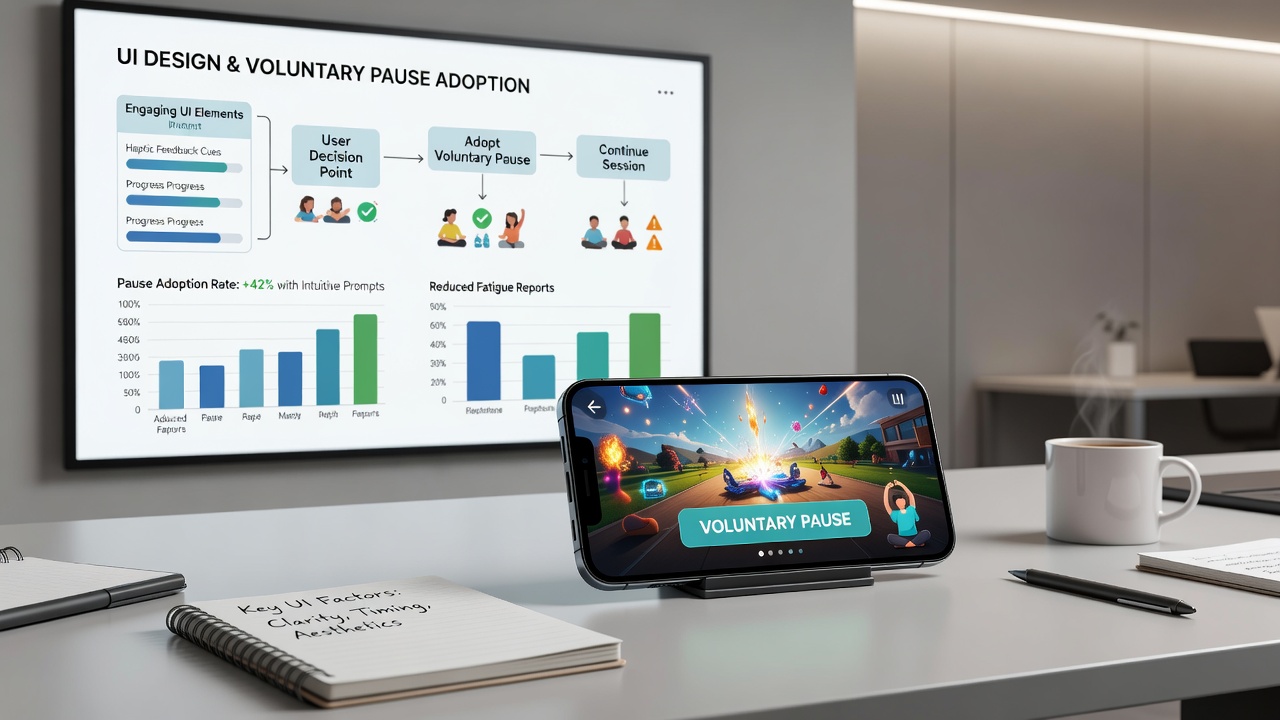
Augmented reality titles present unique challenges because overlay elements must compete with camera feeds, and interface tests conducted in Australia during 2026 demonstrated that floating pause controls positioned away from focal points achieve better visibility without causing accidental activations. Observers tracking these formats report that players in location-based games adopt pause options more consistently when the design accounts for environmental distractions such as movement or lighting changes.
Regional Data Patterns and Developer Responses
Analytics platforms operating in the European Union and parts of Asia compile anonymized usage logs that illustrate how cultural preferences intersect with design choices. Games localized for East Asian markets frequently incorporate compact pause menus that align with faster decision-making styles, while Western releases emphasize larger touch targets suited to varied hand sizes. A collaborative report issued by the Interactive Games and Entertainment Association in late 2026 connected these regional differences to adoption statistics, noting consistent upticks wherever developers tested multiple interface prototypes before final release.
Cross-platform consistency also plays a role, since users who switch between tablets and phones expect pause mechanics to remain accessible regardless of screen size. Developers who maintain unified design systems across devices record fewer drop-offs in break-function usage, according to metrics shared by industry tracking services.
Conclusion
Interface decisions in smartphone entertainment continue to shape how readily players incorporate voluntary pauses into their routines across puzzle, action, narrative, and competitive formats. Ongoing data collection from academic and industry sources in multiple regions provides measurable evidence that thoughtful placement, timing, and visual treatment of these functions correlate with broader adoption. Developers who refine these elements based on usage patterns contribute to evolving standards that balance sustained engagement with player-initiated breaks.